

UNDERSTANDING JOINT AND MUSCLE PAIN

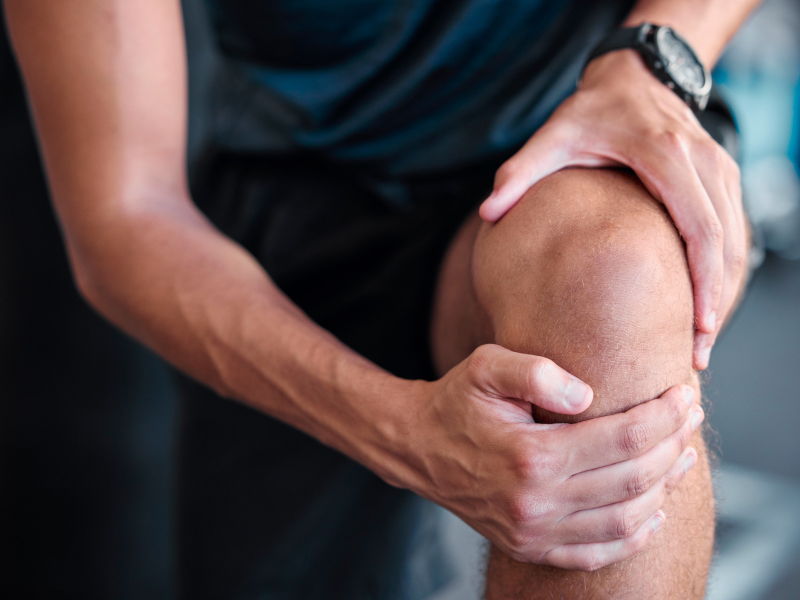
A great percentage of individuals across the globe suffer from pain-related issues in their joints and muscles. A variety of factors, including trauma, inflammation, overuse, or underlying medical disorders like arthritis, can lead to joint and muscle discomfort. An appropriate remedy must be chosen after determining the source of the discomfort.

In case of sudden discomfort or swelling, home remedies like ice, compression, and elevation are suggested for relief. However, you need a professional medical opinion and aid in case of persisting symptoms. Our team of physicians at Be Well is well-equipped to extend optimum care and support for joint and muscle disorders.

Play Video

WATCH INTRO

DIFFERENT KINDS OF JOINT AND MUSCLE DISORDERS

People of all ages can face various kinds of disorders with their joints and muscles. Osteoarthritis, rheumatoid arthritis, and gout are some of the most common joint problems. On the other hand, fibromyalgia, muscular dystrophy, and myositis are some of the most common muscle problems. These conditions can lead to pain, stiffness, weakness, and trouble moving around. Depending on the disorder, there are different ways to treat it.

Some of these are medication, physical therapy, changes in lifestyle, and surgery. People with joint and muscle disorders should start treatment and care as soon as possible, as this can help them deal with their symptoms and improve their quality of life.

COMMON CAUSES FOR JOINT AND MUSCLE PAIN

The causes of joint and muscular pain are numerous. Injury, which can result from mishaps, slips, or overexertion during physical exercise, is one of the most frequent causes. Inflammation, which can be brought on by illnesses like osteoarthritis or rheumatoid arthritis, and overuse, which can result in ailments like tendonitis or bursitis, are two more prominent causes.

Joint and muscular pain can also be brought on by certain medical diseases like fibromyalgia or lupus. Moreover, lifestyle factors, including obesity, bad posture, and inactivity, can cause joint and muscle discomfort. The right treatment must be chosen after determining the underlying cause of the discomfort.

SYMPTOMS TO IDENTIFY JOINT AND MUSCLE DISORDERS

Depending on the specific ailment, symptoms of joint and muscle disorders can change.

Pain, stiffness, oedema, weakness, and a restricted range of motion in the affected joint or muscle are a few typical symptoms.

The affected area may occasionally additionally feel warm to the touch or appear red. Fatigue, fever, or unexplained weight loss are examples of additional symptoms. It is vital to seek medical attention if symptoms are severe or last for more than a few days in order to identify the underlying source of the issue and create an effective treatment strategy.


 

DIAGNOSIS AND TREATMENT OPTIONS FOR JOINT AND MUSCLE ISSUES

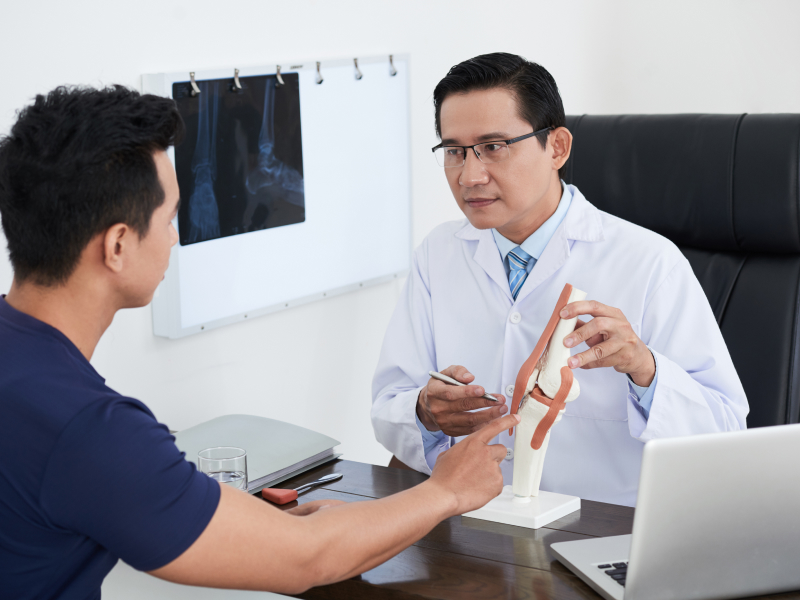
Taking a medical history, performing a physical exam, and employing diagnostic procedures like X-rays, blood tests, or MRI scans are often how joint and muscle disorders are identified. You might be able to remedy the issue with medication, physical therapy, lifestyle changes, or surgery, depending on what’s causing it. You can either get painkillers from your doctor or use over-the-counter medications like acetaminophen or ibuprofen. You can also increase your strength and range of motion with the aid of physical therapy.

When various treatments have failed, such as when trying to cure severe osteoarthritis, surgery may be recommended by your doctor. At Be Well, we focus on expert analysis of the patient’s condition and provide individualized care so that the patient can attain quick relief.

RISK FACTORS CONTRIBUTING TO RHEUMATOID ISSUES

Several risk factors can have an impact on rheumatic conditions, notably rheumatoid arthritis. Rheumatoid arthritis is more likely to develop in women than in males, and the risk rises with age. A family history of rheumatoid arthritis might raise the likelihood of developing the disease, so genetics may possibly be at play.

A higher chance of getting rheumatoid arthritis has also been linked to lifestyle variables like smoking, obesity, and inactivity. Rheumatoid arthritis development may also be influenced by specific infections or environmental variables. Early rheumatoid arthritis diagnosis and therapy can assist in controlling symptoms and stopping joint deterioration.


LIFESTYLE CHANGES FOR JOINT AND MUSCLE PAIN

Making modifications to your way of life can help you manage your joint and muscular pain. A healthy weight can be maintained through food and exercise, which helps ease joint stress and increase mobility in general. Flexibility and muscle strength can both be increased through exercise. Swimming and yoga are two low-impact exercises that may be especially beneficial. Further harm can be avoided by refraining from repetitive movements and excessive use of joints or muscles. Alternative treatments like massage and acupuncture can occasionally be effective in treating joint and muscular pain.


COMPLICATIONS IN JOINT AND MUSCLE DISORDERS

Joint and muscle disorders can lead to a variety of complications if left untreated. Chronic pain can lead to decreased mobility and quality of life. In some cases, joint damage can become irreversible, leading to joint deformity and disability. Muscle weakness or atrophy can lead to difficulty performing daily activities.

Certain issues like rheumatoid arthritis can also increase the risk of inducing other health problems like cardiovascular disease. Infections or inflammation of the joint can also occur, leading to further complications. Early detection and treatment of joint and muscle disorders are important in preventing these potential complications.


THE THREE T'S AFFECTING YOUR BODY

MOST PEOPLE DON’T KNOW WHY THEIR BODY
ISN’T ACTING THE WAY THEY WANT IT TO

At The Wellness Way Clinics, we’re dedicated to finding the answers you need, no matter what. Our approach starts with one of the major principles of chiropractic care. The Three T’s. We believe there are three factors that impact and impart disorder within the body: trauma, toxins, and thoughts.

TRAUMAS

Events both big and small that affect your physical body

TOXINS

External substances that get into your body and compromise the functioning of key systems

THOUGHTS

Patterns of beliefs that inform mental and emotional distress both consciously and unconsciously

RELATED VIDEOS

RELATED ARTICLES

LOCATIONS

OUR GROWING NETWORK OF HEALTH
RESTORATION CLINICS

Choose from our network of doctors and practitioners who are thinking and acting differently to deliver life-changing restorative care.