
ALLERGIES AND ALLERGIC REACTIONS

Allergies happen due to an overreaction of the immune system in our bodies to a normally harmless foreign substance in the body, known as an allergen, which causes an allergic reaction. Pollen, dust mites, animal dander, insect bites, and certain foods are common allergens. Allergic reactions can range from slight symptoms like itching and sneezing to severe, potentially fatal events like anaphylaxis. Avoidance of the allergen, use of medicines such as antihistamines and epinephrine, and in rare circumstances, immunotherapy procedures to desensitize the immune system to the allergen may be used to treat allergies. Our team of physicians at Be Well can help you get the appropriate care for allergies at the right time to avoid any complications.

Play Video

WATCH INTRO

COMMON TYPES OF ALLERGIES

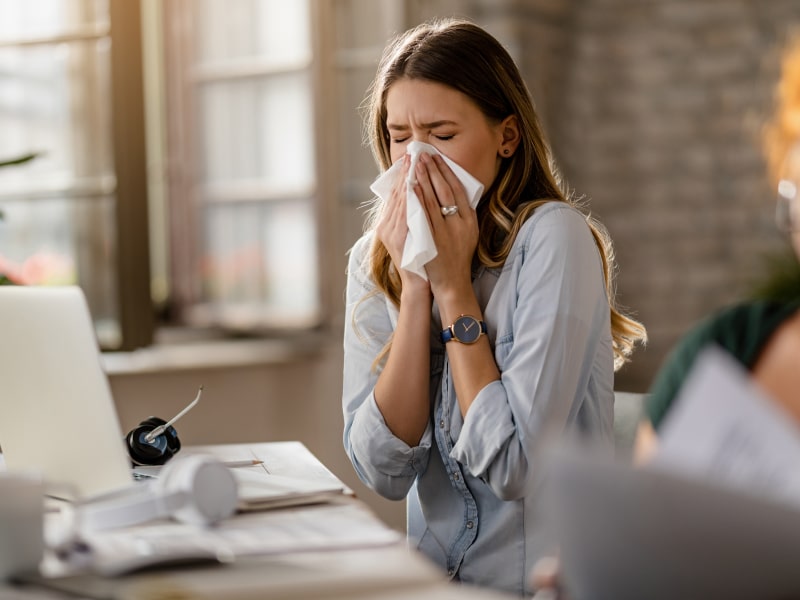
There are numerous forms of allergies, each of which is provoked by a distinct allergen. Respiratory allergies, like allergic rhinitis (hay fever), are induced by allergens such as pollen, dust mites, and pet dander and can result in symptoms like sneezing, runny nose, and itchy eyes. Some proteins in food can induce food allergies, which can produce symptoms ranging from minor itching and hives to more severe symptoms such as difficulty breathing and anaphylaxis. Contact with chemicals such as latex, metals, and perfumes can trigger skin allergies such as contact dermatitis, causing symptoms such as redness and itching. Allergies to insect stings are produced by insect venom and can cause symptoms ranging from minor swelling and itching to life-threatening anaphylaxis.

SIGNS AND SYMPTOMS OF ALLERGIES

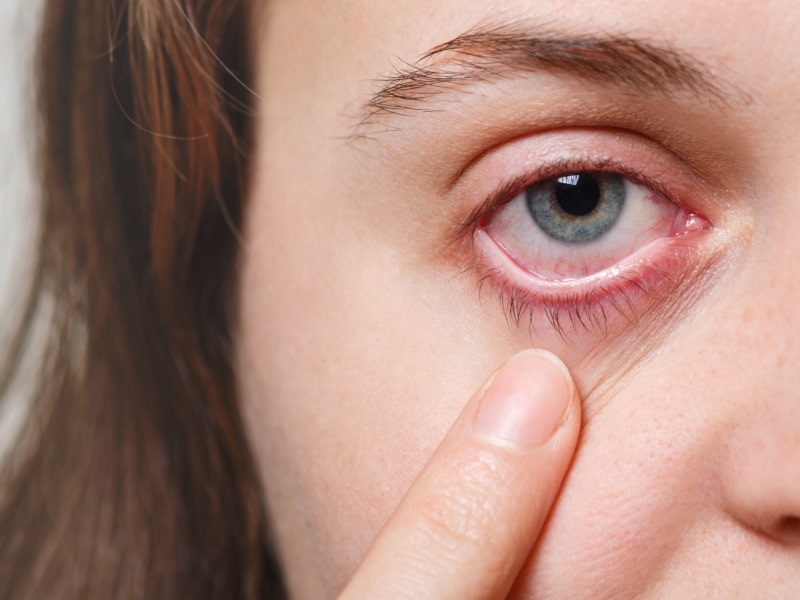
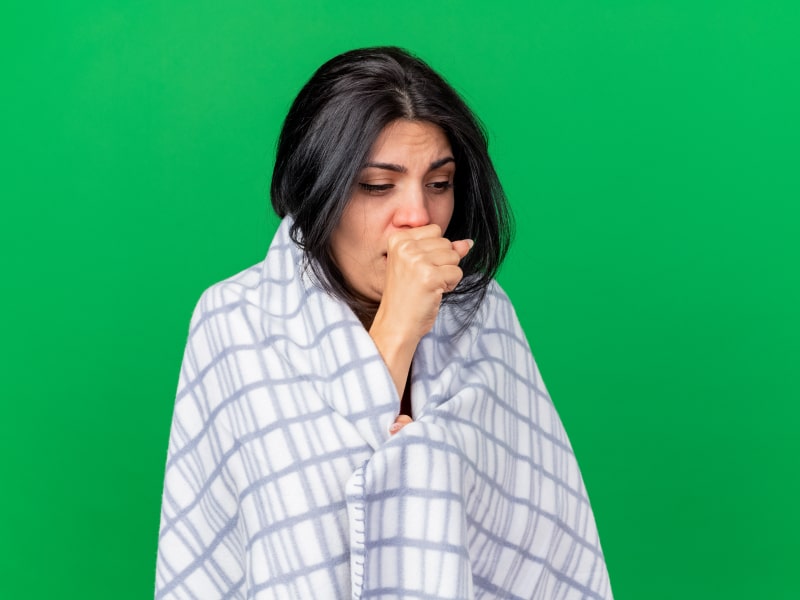
Depending on the kind of allergen and the severity of the reaction, allergy signs and symptoms might vary. Symptoms of respiratory allergies include sneezing, a runny or congested nose, itchy or watery eyes, and coughing. Food allergies can cause moderate itching and hives, as well as more serious symptoms such as swelling of the lips, tongue, and neck, difficulty breathing, and gastrointestinal symptoms such as nausea, vomiting, and diarrhea. Symptoms of skin allergies include redness, itching, and rash, but symptoms of insect sting allergies range from minor swelling and itching to severe anaphylaxis. It is vital to get medical assistance if you develop symptoms of an allergic response, especially if you have a history of extreme allergic reactions or anaphylaxis.

IS YOUR EXERCISE ROUTINE DEPLETING YOUR HORMONES?

RISK FACTORS FOR ALLERGIES

Many factors can increase the likelihood of getting allergies. Allergies tend to run in families, making genetics a factor. Those with a history of allergies in their family are more prone to develop allergies themselves.

Exposure to allergens such as pet dander, dust mites, and specific foods during childhood might further raise the likelihood of developing allergies.

Having other allergy disorders, such as asthma or eczema, living in a polluted environment, and having a weaker immune system are further risk factors. Occupational exposures to allergens can potentially raise the likelihood of acquiring allergies. To lower the possibility of developing allergic responses, it is essential to collaborate with a healthcare professional to identify and manage allergy risk factors.

DIAGNOSING ALLERGIES

Often, diagnosing allergies requires a medical history, physical exam, and diagnostic tests. A healthcare physician will inquire about symptoms, including when they occur and which allergens trigger them. It is possible to undertake a physical examination to look for indicators of allergic responses, such as swelling and hives. Skin tests, in which a small quantity of allergen is applied on the skin and the reaction is evaluated, and blood tests to assess the levels of particular antibodies that suggest an allergic reaction are examples of diagnostic testing. In certain instances, an elimination diet may be prescribed to uncover food allergies. To effectively manage allergies, you can reach out to an experienced doctor at Be Well and obtain an accurate diagnosis that will help build a specific treatment strategy.

TREATMENT AND CARE FOR ALLERGIES

Depending on the nature of the allergic reaction, the treatment and care for allergies vary. Avoiding the allergen that causes an allergic reaction is the most effective method for managing allergies. Antihistamines, decongestants, and nasal corticosteroids can alleviate symptoms, including runny nose, sneezing, and itchiness. As an emergency treatment for severe allergic reactions such as anaphylaxis, epinephrine is injected. Immunotherapy, such as allergy shots, can help gradually desensitize the immune system to allergens. Changes in lifestyle by reducing allergen exposure, enhancing indoor air quality, and keeping a balanced diet and exercise routine, can also aid in the management of allergies. For severe allergic reactions, it is essential to engage with a healthcare provider to build a specific treatment plan and to have an emergency plan in place.

COMPLICATIONS IN CASE OF ALLERGIES

Allergic complications can range from minor to severe, and in some instances can be fatal. Persistent exposure to allergens can result in chronic allergic reactions, such as asthma and allergic rhinitis, which can impede everyday activities and diminish life quality. Anaphylaxis is a severe, sometimes fatal, allergic reaction that can induce throat and airway swelling, breathing difficulties, and loss of consciousness. Moreover, certain allergies, such as food allergies, can lead to nutritional deficits if specific foods are avoided. It is essential to collaborate with an expert physician to control allergies and avoid consequences. Also, in case you have a history of severe allergic reactions or anaphylaxis, you should bring epinephrine with you at all times and have an emergency plan in place.

NATURAL REMEDIES FOR ALLERGIES

Allergic complications can range from minor to severe, and in some instances can be fatal. Persistent exposure to allergens can result in chronic allergic reactions, such as asthma and allergic rhinitis, which can impede everyday activities and diminish life quality. Anaphylaxis is a severe, sometimes fatal, allergic reaction that can induce throat and airway swelling, breathing difficulties, and loss of consciousness. Moreover, certain allergies, such as food allergies, can lead to nutritional deficits if specific foods are avoided. It is essential to collaborate with an expert physician to control allergies and avoid consequences. Also, in case you have a history of severe allergic reactions or anaphylaxis, you should bring epinephrine with you at all times and have an emergency plan in place.

COMPLICATIONS IN CASE OF ALLERGIES

Many natural remedies may help ease allergy symptoms. However, it is worth noting that these remedies should not substitute medical aid or treatment from a doctor. Saline nasal rinses, which include flushing the sinuses with a saline solution, are a natural treatment that may help alleviate nasal congestion and irritation. According to a number of studies, certain herbs, such as butterbur and stinging nettle, may also help relieve allergy symptoms. In addition, drinking local honey, which contains trace amounts of local pollen, may aid in the gradual development of immunity against pollen allergens. Before using any natural therapies, it is essential to consult a medical professional, as some of these remedies may have negative effects.

THE THREE T'S AFFECTING YOUR BODY

MOST PEOPLE DON’T KNOW WHY THEIR BODY
ISN’T ACTING THE WAY THEY WANT IT TO

At The Wellness Way Clinics, we’re dedicated to finding the answers you need, no matter what. Our approach starts with one of the major principles of chiropractic care. The Three T’s. We believe there are three factors that impact and impart disorder within the body: trauma, toxins, and thoughts.

TRAUMAS

Events both big and small that affect your physical body

TOXINS

External substances that get into your body and compromise the functioning of key systems

THOUGHTS

Patterns of beliefs that inform mental and emotional distress both consciously and unconsciously

RELATED VIDEOS

RELATED ARTICLES

LOCATIONS

OUR GROWING NETWORK OF HEALTH
RESTORATION CLINICS

Choose from our network of doctors and practitioners who are thinking and acting differently to deliver life-changing restorative care.