


Since the symptoms of thyroid disorders are ambiguous and can be attributed to other conditions, diagnosing them at first glance can be challenging.
In fact, research shows that nearly 20 million people in the US suffer from some thyroid issue, while about 60% of people with thyroid disorders are unaware of their condition.
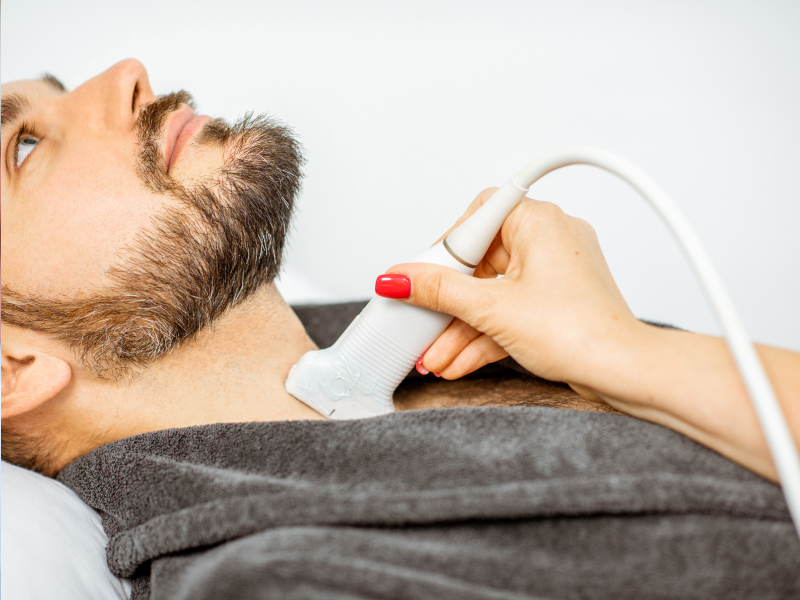
The foremost step in recognizing a thyroid disorder is to see a physician who will do a physical examination and conduct blood testing to measure thyroid hormone levels in your blood. Furthermore, an ultrasound or biopsy may be advised if the thyroid gland is enlarged to check for nodules or chances of cancer. Once the diagnosis is complete, the required course of treatment can be suggested. Medications are typically provided for Hypothyroidism to make up for the deficient thyroid hormone. The prescription is normally given once a day, but depending on the results of frequent blood tests, the dosage may need to be changed. Treatment options for Hyperthyroidism include taking drugs to reduce hormone production, using radioactive iodine therapy, or having the thyroid gland partially or completely removed surgically. Our experts at Be Well can help you diagnose and choose the best course of action for your condition.
Apart from these, changes in lifestyle can help manage thyroid issues in addition to medical treatment. These include consuming a balanced diet, exercising frequently, managing stress, and abstaining from smoking and binge drinking. The main point in the treatment of thyroid disorders is to seek medical attention for a correct diagnosis and treatment plan if you believe you may have a thyroid disease. Thyroid disease sufferers can live healthy, productive lives with the appropriate treatment and management.